PAINT PROTECTION
FILM MARIETTA GA
Keep your paint looking factory-fresh with professional PPF installation in Marietta, Georgia. Geoshield self-healing urethane film that stops rock chips, road debris, and everyday wear — backed by a 7–10 year manufacturer warranty. Serving Cobb County, Kennesaw, Smyrna, and metro Atlanta.
PPF PACKAGES
Choose the level of protection that fits your vehicle, driving habits, and budget
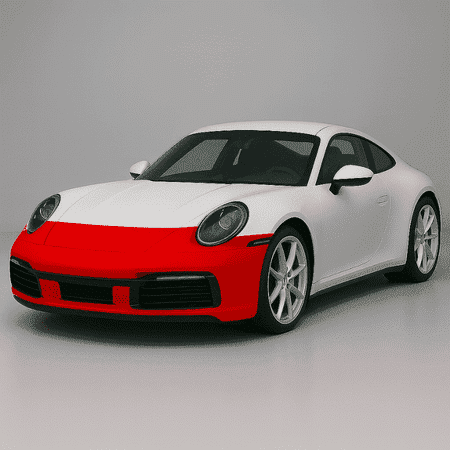
Entry-Level Protection
Partial Front PPF
Shields the most vulnerable leading edges from road debris, rock chips, and bugs. Ideal for daily commuters who mostly drive surface streets but still want a budget-friendly layer of protection against the everyday wear that dulls a fresh paint job.
- Front bumper (full)
- Hood nose & leading edge
- Headlight faces
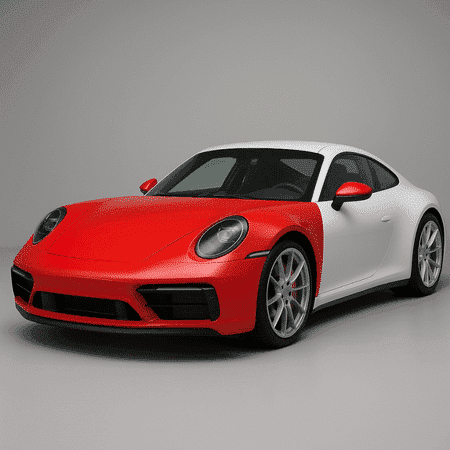
Most Popular
Full Front PPF
Complete front-end protection covering every panel that takes a direct hit on the highway. This is our most popular package because it covers every surface that faces forward-flying debris at highway speed, without the cost of wrapping the entire vehicle.
- Full hood
- Full front fenders
- Full front bumper
- Mirrors
- Headlights & fog lights
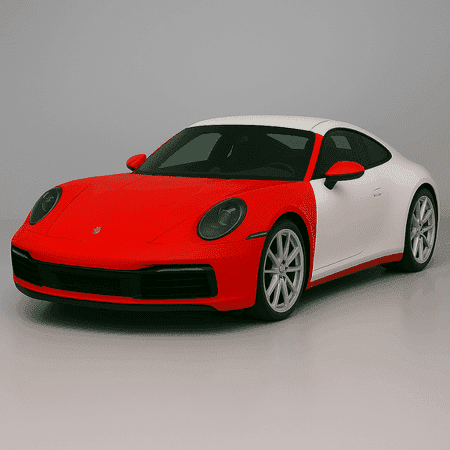
Performance Drivers
Track Package PPF
Everything in Full Front, plus high-impact zones for spirited driving and track use. Built for owners who push their vehicles hard on twisty roads or track days, where rocker panels and side skirts take a beating from tire spray and low clearance.
- Everything in Full Front
- A-pillars
- Rocker panels
- Side skirts
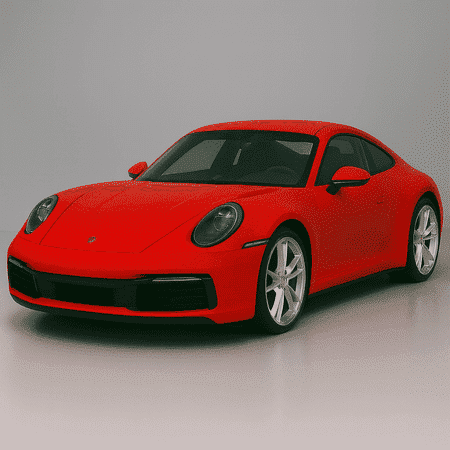
Total Protection
Full Body PPF
Head-to-tail coverage for the ultimate preservation of your vehicle's finish. This package is popular with owners of exotic, luxury, and collector vehicles who want every painted panel — not just the front end — shielded from chips, scratches, and fading for as long as they own the car.
- All front panels
- Full doors
- Full roof
- Full trunk lid
- Rear bumper
- All pillars & rockers
HOW OUR PPF INSTALLATION WORKS
From first consultation to final inspection, here's exactly what happens when you bring your vehicle to Atlanta Tint Lab for paint protection film.
Free Consultation
We inspect your vehicle, discuss your driving habits, and recommend the PPF package that fits your needs and budget. This is also when we point out any existing chips or swirls before film goes on.
Wash & Decontamination
Every panel receiving film is hand-washed and clay-barred to strip away bonded contaminants. Any dirt trapped under the film would show as a bump or cause premature lifting, so this step is never rushed.
Computer-Cut Plotting
We use pre-programmed digital patterns matched to your exact make, model, and year. This produces factory-precise edges without the bulk trimming that hand-cut installs require.
PPF Application & Squeegee
Film is applied wet with a specialized slip solution, positioned panel by panel, and squeegeed to remove air and excess fluid for a bubble-free, optically clear finish.
Edge Wrapping & Trim Work
Edges are wrapped or tucked wherever possible instead of cut flush, which helps prevent lifting over time and gives the film a more seamless, factory-installed appearance.
Cure & Quality Inspection
The film needs time to fully bond and cure. We do a final walk-around inspection under bright light to check every edge and panel before handing back the keys.
WHY PAINT PROTECTION FILM IN MARIETTA?
Georgia highways are brutal on paint. PPF keeps your vehicle looking showroom-new for years.
Rock Chip & Impact Protection
Thick urethane film absorbs stone chips, road debris, and minor impacts that would scar bare paint.
Self-Healing Technology
Light swirls and scratches disappear on their own in warm conditions — the film literally heals itself.
Hydrophobic Surface
Water, dirt, and contaminants bead off effortlessly, keeping your car cleaner between washes.
UV & Oxidation Defense
Blocks UV rays that cause paint to fade, oxidize, and lose its gloss over time.
PPF VS. OTHER PROTECTION
There are several ways to protect your paint. Here's how Paint Protection Film stacks up against wax and ceramic coating.
Traditional Wax
Wax adds a temporary layer of shine and light chemical resistance, but it breaks down within weeks and offers zero protection against rock chips, keys, or physical abrasion. It needs constant reapplication and does nothing to stop the impact damage that actually devalues a vehicle over time.
Ceramic Coating
Ceramic coating creates a hard, glossy, hydrophobic layer that resists chemical staining, UV fading, and light swirling far better than wax. It's an excellent finishing product, but it's a thin chemical bond — it cannot absorb a rock chip or stone impact the way a thick urethane film can.
Paint Protection Film
PPF is the only option that provides real physical impact protection. Its thick urethane layer absorbs rock chips, road debris, and minor scrapes before they ever reach your factory paint, and self-heals from light scratches — protection wax and ceramic coating simply can't match.
Many owners get the best of both worlds by applying ceramic coating on top of PPF — combining physical impact resistance with an ultra-glossy, easy-to-clean topcoat.
VEHICLES WE PROTECT WITH PPF
From daily drivers to weekend track cars, we've installed PPF on nearly every vehicle type on the road.
Sports & Performance Cars
Low front bumpers and aggressive body lines make performance cars especially prone to rock chips. Our Track Package is built specifically for the added abuse of spirited driving and track days.
Luxury Sedans & SUVs
Luxury vehicles depreciate fastest when paint condition suffers. Full Front PPF or Full Body PPF coverage keeps a premium finish looking flawless and helps protect resale value for years to come.
Trucks & Daily Drivers
Pickup trucks and commuter vehicles face constant highway debris, gravel lots, and job-site conditions. Partial Front or Full Front coverage handles the daily wear without the cost of full-body wrapping.
Electric Vehicles
EVs often feature unique paint finishes and aerodynamic panels that are expensive to repaint. PPF protects these specialized surfaces from chips while preserving the factory finish EV manufacturers spend so much on.
WHICH PPF PACKAGE IS RIGHT FOR YOU?
Not sure where to start? Here's how most Marietta drivers decide between our four packages.
Daily Commuter on Surface Streets
If most of your driving is around town on lower-speed roads, our Partial Front package covers the leading edges most likely to pick up rock chips at intersections and parking lots, at the most affordable price point.
Regular Highway Driver
Drivers who spend real time on I-75, I-575, or the Cobb Parkway corridor should look at Full Front. It covers every panel that catches flying debris at highway speed and is our single most popular package for exactly this reason.
Spirited or Track Driver
If you autocross, track your car, or just enjoy a twisty back road, the Track Package adds rocker panels and side skirts to the Full Front coverage — the zones that take the most abuse from tire spray and low clearance.
New, Luxury, or Collector Vehicle Owners
If you plan to keep the car a long time or care most about resale condition, Full Body coverage protects every painted panel head to tail, so no surface is left exposed to chips, scratches, or fading.
PAINT PROTECTION FILM FAQ
Everything you need to know about PPF installation in Marietta, GA
Q.What is paint protection film (PPF)?
Paint protection film — also called clear bra or urethane film — is a thick, optically clear thermoplastic urethane applied to your vehicle's painted surfaces. It creates a physical barrier that absorbs rock chips, road debris, and abrasion before they reach your paint. Unlike wax or ceramic coatings, PPF actually stops impact damage.
Q.How much does PPF cost in Marietta, GA?
PPF pricing at Atlanta Tint Lab starts at $799 for a Partial Front package. Full Front coverage starts at $1,599, our Track Package at $1,999, and Full Body protection at $4,499. Final pricing varies by vehicle size and body lines — larger trucks and SUVs typically run slightly higher than compact sedans because of the extra film needed. Contact us for a free estimate specific to your vehicle so you know the exact cost before you commit.
Q.How long does paint protection film last?
Geoshield PPF is engineered to last 7–10 years under normal conditions, backed by a manufacturer warranty against yellowing, bubbling, cracking, and delamination. Georgia's intense UV and humidity are no match for quality film — and if it ever fails under warranty, we replace it.
Q.What's the difference between gloss and matte PPF?
Gloss PPF is optically transparent and preserves your vehicle's factory finish — virtually invisible when installed correctly. Matte PPF is used to protect existing matte paint or to transform a gloss finish into a matte look. Both offer identical impact protection and self-healing properties.
Q.Can I put ceramic coating on top of PPF?
Yes — and many of our customers do exactly that. Applying ceramic coating on top of PPF combines physical impact protection with an enhanced hydrophobic, chemically resistant surface. It also extends the life of the film's top coat and makes maintenance even easier.
Q.How do I care for my new PPF?
Wait 48 hours before washing after installation. Use pH-neutral car wash soap and avoid harsh degreasers or solvents near the film edges. Hand washing is preferred; touchless automatic washes are acceptable. Avoid brush-style car washes. Clean bird droppings and bug splatter promptly — they're acidic and can etch if left on the film.
Q.Does insurance ever cover paint protection film?
Some comprehensive auto insurance policies will reimburse PPF costs if your vehicle is damaged in a covered event, and some dealership finance packages let you roll PPF into your loan. Check with your insurance provider or lender directly — coverage varies widely and we're happy to provide documentation of the install for your records.
Q.Should I get PPF, window tint, or both?
They protect different things and work great together. Window tint blocks heat and UV rays coming through your glass, while PPF protects painted body panels from physical impact. Many of our customers book both in the same visit — ask about bundled pricing when you request your free estimate.
Q.How do I maintain matte PPF specifically?
Matte film requires matte-specific car wash soap and ceramic coating products — using standard gloss-enhancing products can leave streaks or an uneven sheen on a matte finish. Avoid claying or polishing matte film, and always hand wash rather than using automatic touchless washes with aggressive chemicals.
Q.Can I install paint protection film myself?
DIY PPF kits exist, but professional installation is strongly recommended. Precise computer-cut patterns, a dust-free environment, and years of hands-on experience are what prevent bubbles, lifting edges, and visible seams. A botched DIY install often costs more to remove and redo than a professional job would have cost upfront.
Q.Is it hard to remove paint protection film later?
No — when installed correctly, PPF removes cleanly without damaging factory paint or leaving adhesive residue. We recommend having film removed professionally, especially after several years, since heat and the right tools are needed to avoid pulling up any clear coat underneath.
Q.Does PPF affect my car's resale value?
Yes, often positively. A vehicle with a documented PPF install typically shows less chip and scratch damage at resale time, which buyers notice immediately during an inspection. Keeping the front end pristine can meaningfully boost perceived condition and resale value, especially on luxury and performance vehicles.
Q.Will PPF work with a car that has existing paint chips or scratches?
We can install PPF over sound existing paint, but we always recommend addressing significant chips or scratches with paint correction first — film won't hide but can be applied around them. During your free consultation we'll point out any areas worth addressing before installation.
MARIETTA'S PPF INSTALLERS
Atlanta Tint Lab brings the same precision and attention to detail to paint protection film that has made us Cobb County's most trusted tint shop. We install Geoshield PPF — backed by a 7–10 year manufacturer warranty and our commitment to getting it right.
Computer-Cut Precision
Pre-programmed digital patterns for every make and model
Geoshield Manufacturer Warranty
7–10 year warranty against yellowing, bubbling, and delamination
Paint-Safe Removal
Film removes cleanly without adhesive residue on your paint
Serving Paint Protection Film Customers Throughout Metro Atlanta
Also offering dedicated PPF service for these communities: